“pick point” search results (2000)
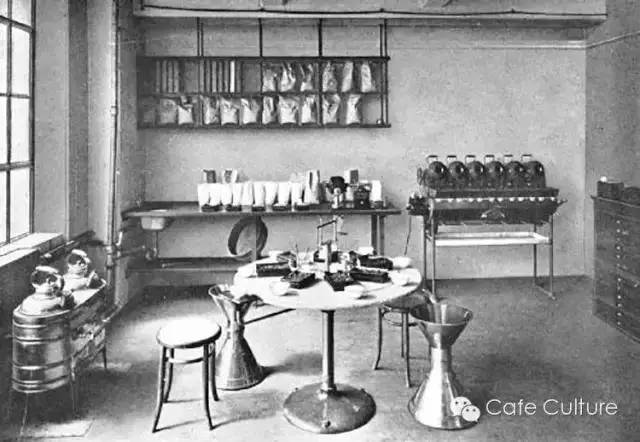
Professional and technical paste 4 methods to teach you to identify the quality of raw beans
Purchasing raw beans is one of the most important and interesting jobs for every coffee roaster. Picking raw beans is like picking your favorite candy in a candy store. The average home baker can buy coffee beans according to the name, origin and product description of raw beans. Even if you buy it wrong, the loss is no more than $5, which is purely a lesson. But for real majors,
2015-06-26 Professional technical 4 methods teach you identification raw beans quality
The production process of Kopi Luwak the principle of civet coffee
Muscat coffee (Kopi Luwak), Kopi (Indonesian, coffee), Luwak refers to a kind of arboreal wild animal commonly known as civet in Indonesia. Civet coffee is the most expensive coffee in the world, with a price of several hundred US dollars per pound. It is extracted from the feces of the civet and processed. The civet eats the ripe coffee fruit and is excreted through the digestive system.
2015-03-11 Cat shit coffee production process musk principle Kopi L
Country classification method selected to determine fine coffee
The term boutique coffee was first coined by Ms. Knudsen in Coffee and Tea magazine in the United States, when Ms. Knudsen served as B.C. Ireland's coffee buyer in San Francisco, she was very dissatisfied with the industry's neglect of green coffee bean quality, and even some large roasters mixed a lot of robersta beans into the mixed beans, so she proposed the concept of fine coffee.
2016-05-27 countries classification method selection identification boutique coffee
Price of a single item Why more expensive than fancy coffee Price of point coffee The way boutique coffee
When you think about it, coffee itself hasn't changed, it's us. Coffee was made in espresso machines. But we don't care what kind of coffee beans the barista uses, let alone how the barista makes it. At that time baristas used mostly blended coffee. The quality of the coffee is entirely determined by the roasting company. The brand of the baking company
2016-07-01 item price why fancy coffee way boutique
How much is the boutique Kopi Luwak how much is a jin of delicious Indonesian Kopi Luwak characteristics of Blue Mountain Coffee
Muscat Coffee Editor synonym Kopi Luwak generally refers to civet coffee (Kopi Luwak), produced in Indonesia. It is one of the most expensive coffee in the world, with a price of several hundred dollars per pound. It is extracted from the feces of the civet and processed. The civet eats the ripe coffee fruit, which is excreted through the digestive system and passed through the stomach.
2016-05-04 Boutique cat shit coffee less money one jin delicious Indonesia characteristics Blue Mountain
Introduction to the Fine Musk Coffee Flavor and Taste Manor in Indonesia
It is said that coffee farmers in early Indonesia regarded civet cats that ate ripe coffee fruits as mortal enemies, but at some point someone began to think of picking coffee beans from the civet droppings to make coffee with unique flavor. Coffee experts everywhere have tried and were amazed. Since then, local farmers spend a lot of time every day collecting civet droppings in the forest during the coffee ripening season.
2016-07-19 Indonesia boutique musk coffee flavor taste manor producing area introduction
Introduction of Musk Coffee fermentation process, brewing method, Flavor description, characteristics of producing area and Manor
In the coffee industry, Kopi Luwak is widely regarded as a product with novelty as the selling point. The American Special Coffee Association (Specialty Coffee Association of America,SCAA) says the industry consensus is that it tastes bad. SCAA quoted a coffee expert as saying: obviously, the selling point of Kopi Luwak is its story, not its quality. Adopt SCAA
2016-09-19 Musk coffee fermentation process production method brewing flavor description
Coffee extracted by SCAA Gold Cup identifies the distribution of sour, sweet, bitter and salty on the tip of the tongue
Since the data is not important, what is important? The effect of extraction rate on taste, of course. When you have a thorough understanding of the relationship between the extraction rate and the taste trend, it will definitely be of great help to your cooking adjustment. Let's take a look at this diagram. The data of vertical axis and horizontal axis are removed and replaced by the relationship between concentration taste and extraction rate taste. When coffee
2016-01-15 SCAA gold cup pick coffee tasting tongue tip salty distribution location both
Some etiquette of drinking coffee that you must know.
Everyone should be familiar with the etiquette of drinking tea, but how much do you know about the etiquette of drinking coffee in the West? When dealing with people, there are often occasions to drink coffee together, so coffee etiquette is indispensable. Next, with the editor of China Coffee Network, take a look at the etiquette that you often need to pay attention to when drinking coffee: 1. The correct posture for holding a coffee cup: in a western restaurant.
2015-10-10 Everyone must understand some coffee etiquette for all kinds of tea
Brief introduction of boutique Kopi Luwak how much is boutique Kopi Luwak per jin
Kopi Luwak is made in Indonesia. In the early 18th century, the Dutch established coffee plantations in the Indonesian colonies of Sumatra and Java, and banned locals from picking and eating their own coffee fruits. Indonesian locals inadvertently found that civets love to eat these coffee fruits and will drain the beans intact when defecating. The civet can only pick the most familiar.
2016-05-04 Boutique cat shit coffee profile less money one jin
Bolivian coffee flavor Bolivian coffee characteristics Bolivian coffee taste
Bolivia is a landlocked country in central South America, bounded by Brazil in the northeast, Paraguay in the southeast, Argentina in the south, Chile in the southwest and Peru in the west. The main topography is the plateau. Bolivia is the highest plateau country in the world, with an average elevation of more than 3000 meters. La Paz, the capital, is as high as 3660 meters above sea level, which is known as the highest capital in the world. Three points in Bolivia
2016-08-29 Bolivia coffee flavor characteristics taste
Bolivian Coffee Manor introduces the Yongas area northeast of La Paz
Bolivia is 1/3 of the Andean mountains, rugged terrain, mainly road transport, accounting for more than 85% of transportation. The main railway and road networks are concentrated in the west, and remote areas rely on air communication. But road coverage is the lowest in South America. And there is also the Ronggas Highway, the world's first insurance road known as the road to death. There is no developed economy here. It is the poorest in South America.
2016-06-18 Bolivia Coffee Manor producing area introduction La Paz Northeast Garth Poli
Overall taste rich Bolivian coffee variety characteristics Taste Manor boutique coffee bean flavor medium
Bolivia is a landlocked country in central South America, bordered by Brazil in the northeast, Paraguay in the southeast, Argentina in the south, Chile in the southwest and Peru in the west. The main terrain is plateau. Bolivia is the highest plateau country in the world, with an average altitude of more than 3000 meters. The capital La Paz is 3660 meters above sea level and is known as the highest capital in the world. Three points in Bolivia
2016-09-01 Overall Flavor Abundance Bolivia Coffee Variety Characteristics Taste Manor Fine
An introduction to the Origin and Cultural course of Coffee beans in Kenya
1) Common classification: hand-picked coffee fruit, picked by hand, picked out immature fruit (unripe), overripe fruit (overripe) and other defects, peeled, after about 36 hours of fermentation, placed on a metal grid for sun drying, in the processing plant to remove the seed shell (parchment), become a blue-green appearance of attractive Kenyan raw beans. These beautiful raw beans, roots
2016-06-03 Kenya coffee beans species grading introduction origin culture history common points
How to pick and handle coffee beans how to make good siphon coffee
The natural drying method sends the picked berries to the drying plant, which will be classified according to the degree of maturity, as the basis for the time and degree of exposure in the sun. Generally, overripe berries take only 1-3 days, red berries take 5-6 days, and green unripe berries take 1-2 weeks. After sun treatment, the dried fruit needs to go through the sheller to remove the peel, pulp and silver skin.
2016-06-08 Coffee beans picking handling way how make delicious siphon coffee nature
Introduction to the characteristics of fine coffee beans in Rwanda coffee flavor and taste manor area
Rwanda has many mountains and is known as the country of a thousand hills. The whole country is at a high altitude: the lowest point, the Luzizi River, is also 950 meters above sea level. The Midwest is dominated by mountains, which are part of the Aberdeen Rift Valley, which is part of the East African Rift Valley, extending from north to south along the western border of Rwanda. The highest mountain in the country is located in the northwest of Wei.
2016-08-16 Rwanda coffee flavor taste manor producing area characteristics boutique coffee beans medium
Introduction of Bolivian Coffee Grinding Variety characteristics and Taste Manor with charming aroma
Bolivian coffee is of low quality and the market is very poor. Usually the picked coffee fruit is bumped all the way to the processing plant after a simple peeling treatment. Due to the imperfect infrastructure, the traffic is underdeveloped. Coffee farmers have to overcome the rugged mountain road and transport the beans to the higher altitude area of La Paz for washing. If the coffee fruit can not be delivered to the processing plant in time,
2016-10-09 Aroma Human Bolivia Coffee Grinding Variety characteristics Taste Manor introduction
What are the reasons for the poor quality of early Bolivian coffee?
The early Bolivian coffee was of low quality and the market was very poor. Usually the picked coffee fruit is bumped all the way to the processing plant after a simple peeling treatment. Due to the imperfect infrastructure, the traffic is underdeveloped. Coffee farmers have to overcome the rugged mountain road and transport the beans to the higher altitude area of La Paz for washing. If the coffee fruit can not be delivered to the processing in time
2016-06-27 In the early days Bolivia coffee quality low reason what is it?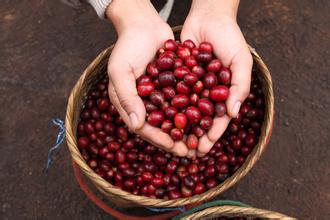
Introduction of fine cat feces coffee beans Characteristics of cat feces coffee beans Price of fine coffee
Cat poop coffee, Indonesia. In the early 18th century, the Dutch established coffee plantations in the Indonesian colonies of Sumatra and Java, and prohibited the locals from picking and eating their own coffee fruits. Indonesian locals accidentally discovered that civet cats love to eat these coffee fruits and will expel the beans intact when defecating. Civets only pick the best.
2016-05-05 boutique cat poop coffee beans presentation characteristics price coffee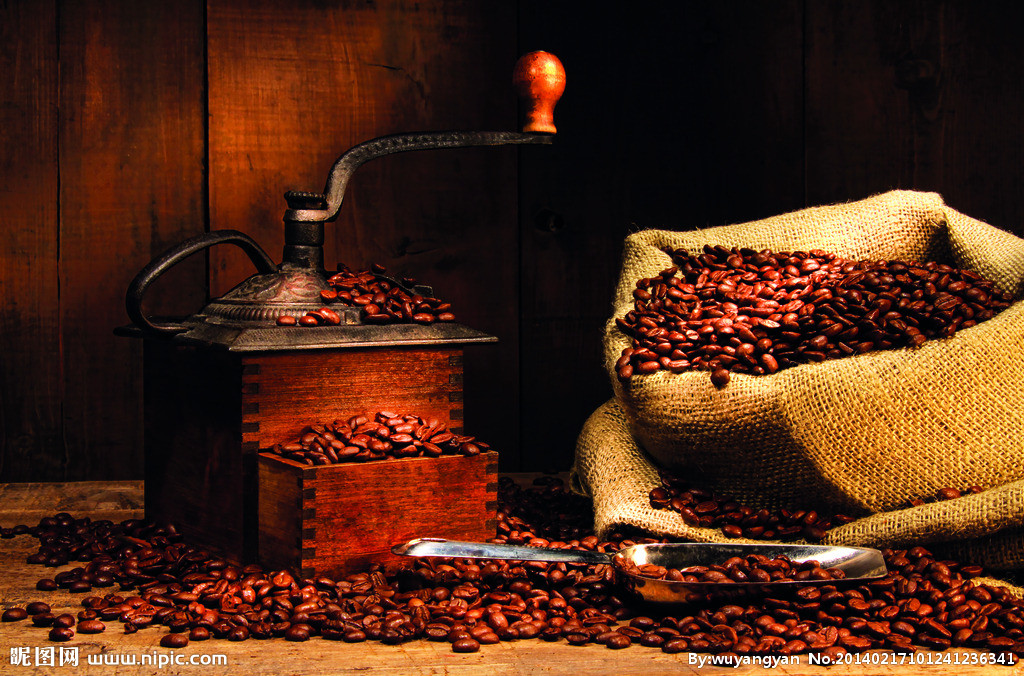
The overall rich taste of Bolivian coffee varieties taste manor boutique coffee bean flavor introduction
Bolivia is a landlocked country in central South America, bounded by Brazil in the northeast, Paraguay in the southeast, Argentina in the south, Chile in the southwest and Peru in the west. The main topography is the plateau. Bolivia is the highest plateau country in the world, with an average elevation of more than 3000 meters. La Paz, the capital, is as high as 3660 meters above sea level, which is known as the highest capital in the world. Three points in Bolivia
2016-09-01 Overall taste rich Bolivia coffee variety characteristics manor essence